
The currency markets are always moving, and February 2026 has brought some interesting developments for traders watching the euro-dollar pair. For those trading in the USA, understanding what drives the EURUSD market analysis february 2026 can make a real difference in your investment decisions. This month has been particularly eventful, with central bank policies and economic data creating waves across foreign exchange markets.
You can also read about psychology in forex trading
The Current State of EUR/USD Trading
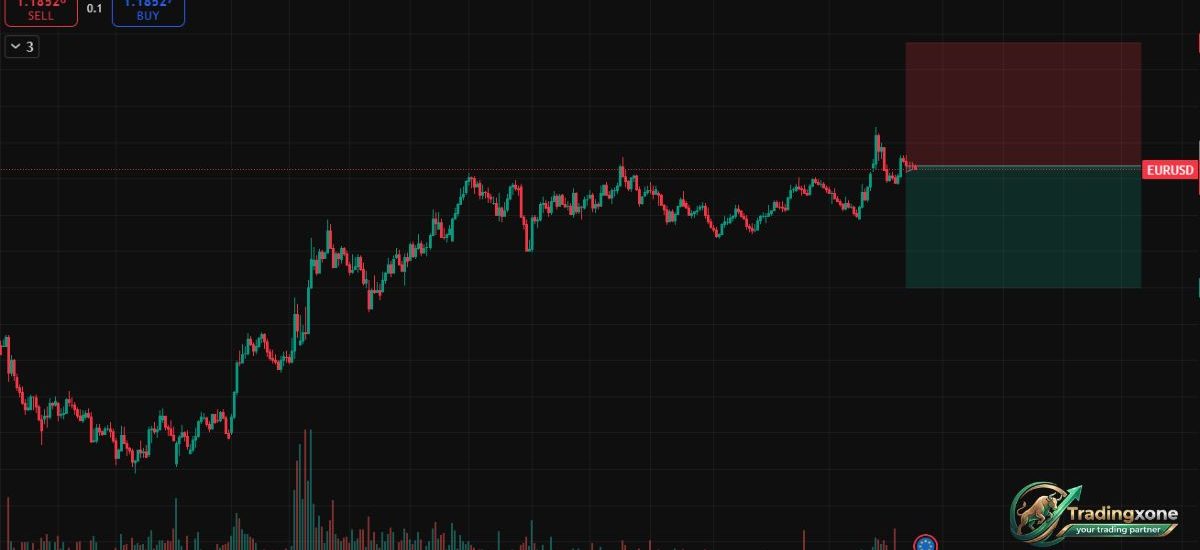
The EURUSD marketplace evaluation for February 2026 indicates the pair trading close to the 1.19 level, which represents a substantial milestone for currency investors across America. This trade price approach suggests that one euro should buy approximately one greenback and nineteen cents, and this level has been tested multiple times at some stage in the month. The pair has shown first-rate strength over the past 12 months, climbing more than thirteen percent from its lows of around 1.04 visible twelve months ago. For American businesses importing European goods or travelers planning trips to Europe, these exchange rates matter a great deal.
What makes this especially interesting is how the foreign money has behaved at some stage in February. Early within the month, the euro broke above the mental barrier of 1.20, reaching a 4-year high that surprised many buyers by surprise. However, as economic statistics from each aspect of the Atlantic came in, the pair pulled back slightly and has been consolidating around modern-day ranges. This kind of motion is standard in foreign exchange markets, where currencies rarely pass in direct trades but alternatively create styles of increase and retreat.
Federal Reserve Policy Shaping the Dollar
When we have a look at eurusd marketplace evaluation for February 2026, we can’t ignore the large effect of the Federal Reserve on the dollar side of the equation. The valuable bank held hobby costs constant at their January meeting, maintaining the federal budget rate in a variety among 3 point 5 and three point seven 5 percentage. This decision came after the Fed had already cut rates three times for the duration of 2025, bringing down borrowing expenses from their preceding highs. Committee members noticed the economic system growing at a strong pace, but they also noticed that the process had bogged down extensively, and inflation remained quite above their target rate.
The real story for USA traders is what comes next. Market expectancies heading into February recommended the Fed might reduce prices once more by July, with little or no risk of any move earlier than then. This timeline subjects because lower hobby costs usually weaken a forex, as traders can earn less return on their deposits and bonds. However, recent jobs information confirmed some improvement, with payrolls adding more positions than predicted and the unemployment rate ticking down to four point three percentage. These mixed signals have created uncertainty about the Fed’s next steps, which immediately influences how investors in towns like New York, Chicago, and Los Angeles view the dollar.
European Central Bank Standing Firm
The other half of the EURUSD market analysis, February 2026 equation entails the European Central Bank, which has taken a drastically different technique than the Federal Reserve. While the Fed has been reducing quotes, the ECB has kept its coverage quotes unchanged and appears snug with current settings. ECB President Christine Lagarde said publicly that the inflation outlook in Europe is in a good area, suggesting policymakers see no urgent need to modify their stance. This divergence between the 2 significant banks creates what currency analysts name hobby rate differential, and it strongly favors the euro proper now.
Market pricing indicates investors assigning much less than a 10 percent chance to an ECB rate cut by using the quote of February. This contrasts sharply with expectancies around the Federal Reserve, where buyers are actively debating the timing of the next cut. When one crucial bank is expected to ease coverage, whilst another stands pat, money tends to go with the flow closer to the forex with higher potential returns. Growth forecasts for the eurozone saw modest enhancements, with officers expecting domestic demand fueled by means of infrastructure and defense spending to pressure growth in the coming years. For American traders analyzing the EURUSD market in February 2026, these European factors are just as important as domestic considerations.
Employment Data Creating Volatility
February brought several important employment reports that moved markets considerably. The monthly jobs report showed the USA economy added around one hundred thirty thousand positions in January, the largest increase in over a year. While this will no longer sound like a huge boom in comparison to boom instances, it exceeded forecasts and tested resilience in the difficult paintings market. The unemployment rate additionally declined all of a sudden, signaling that human beings are finding jobs instead of dropping out of the labor force.
These employment figures matter noticeably for currency markets due to the fact that the Federal Reserve watches employment records very carefully. The relevant financial institution has a dual mandate to create the most jobs and stable expenses, so sturdy job numbers impact their policy choices. When employment statistics surprise to the upside, it reduces the strain on the Fed to reduce prices quickly, which tends to support the dollar. Throughout February, this dynamic has created quick time period volatility within the EURUSD pair as every new record release shifts market expectations. For traders in the USA, financial centers like San Francisco, Boston, and Miami, these reports provide real-time insight into economic momentum.
Inflation Trends Across the Atlantic
Inflation readings have been another major driver in the EURUSD market analysis in February 2026. USA client charge records for January showed inflation slowing to two point 4 percentage 12 months over 12 months, down from better stages in previous months. This deceleration brings charge pressures towards the Fed’s target, even though nonetheless really expanded. The aggregate of moderating inflation and resilient employment creates what a few name a goldilocks scenario, where the financial system grows without overheating.
However, Federal Reserve officers have emphasized they need to peer into sustained development on inflation before making additional policy movements. Some committee members have warned that fees may need to stay better for longer if inflation proves sticky. In Europe, inflation has also been walking near target ranges, giving the ECB self-belief in its cutting-edge stance. The reality that each areas are experiencing similar inflation dynamics, however, pursuing special coverage paths creates the divergence that drives currency moves. USA-based investors need to monitor both sets of inflation reports to fully understand the forces acting on the eurusd pair.
Technical Levels and Trading Patterns
From a technical perspective, the EURUSD market analysis for February 2026 reveals some interesting chart patterns. The pair has been buying and selling inside a broad consolidation range on the grounds that mid 2025, with resistance near 1.1823 and support around 1.1509. Within this larger range, February has seen the euro checking out the higher boundary multiple times before pulling back again. This sort of rate motion suggests indecision within the market, with bulls and bears combating for control.
Traders looking at charts from their workplaces in Houston, Seattle, or Philadelphia may observe that the pair shaped what technical analysts name a hammer sample in advance within the month. Key degrees to watch consist of the psychological spherical number at 1.20, which has acted as resistance more than one times. A smooth ruin above this degree would probably entice more buyers and push the pair toward 1.21 or higher. On the downside, the 1.1870 stage represents the first sizable support, with stronger assistance down close to 1.1800. These technical benchmarks help USA traders set their risk management parameters and identify potential entry and exit points.
International Capital Flows and Diversification
An interesting subplot in the EURUSD market analysis, February 2026, involves changing patterns in international capital flows. Reports emerged earlier in the month that Chinese regulators encouraged private banks to reduce their exposure to USA Treasury securities due to concentration risk concerns. If major holders of dollar-denominated assets begin diversifying away from American securities, it creates selling pressure on the currency.
Europe represents the most credible alternative to the USA markets in terms of size and liquidity for large institutional investors. When global capital starts rotating out of dollars and into other assets, the euro often benefits as a natural destination. For traders and investors based in USA cities from Denver to Atlanta, understanding these capital flow patterns provides additional context for currency movements. The dollar has confronted strain from more than one tip this month, as investors rethink their exposure to American belongings amid geopolitical and monetary uncertainties.
Political and Policy Uncertainties
The EURUSD market analysis february 2026 also needs to account for political factors on both continents. In the United States, Fed Chairman Jerome Powell’s term is about to run out in May, which could introduce some uncertainty into monetary policy. The choice of a new chair, if that takes place, would represent a full-size transition at a critical time for the economic system. Different applicants would possibly have varying views on the right degree of interest rates and the urgency of accomplishing the 2 percent inflation target.
In Europe, political traits have been tremendously calm in comparison to preceding years; there are usually undercurrents to display. Reports that the Bank of France governor will step down before his scheduled time period created some market chatter. These political issues may seem superficial, but they have actual implications for forex values. Traders operating from Dallas, Washington, or Portland need to maintain one eye on the coverage landscape whilst they focus on monetary records and technical charts.
What This Means for USA Businesses and Travelers
Beyond financial market participants, the EURUSD market analysis in February 2026 has practical implications for a wide range of Americans. Businesses that import products from Europe face higher expenses while the euro is powerful, as they need extra dollars to purchase the same amount of euros. A company in Detroit shopping for German machinery or a retailer in Portland uploading Italian items sees their entry charges increase while the alternate charge movements from 1.15 to at least one.19.
On the turn facet, American exporters benefit from a weaker dollar because their products become more competitive in European markets. A Texas producer selling gadgets to France reveals that European customers can have enough money extra when the euro is powerful. Travelers additionally feel the impact without delay, as an American planning a summer holiday to Paris, Rome, or Barcelona desires to budget for higher prices while the euro is high-priced relative to the dollar. Conversely, European tourists touring New York, California, or Florida know that their money is going in addition, that can increase tourism sales in the USA locations.
Looking Ahead to the Rest of February
As we move through the remainder of February, several key events will shape the EURUSD market analysis February 2026 outlook. Additional USA employment data is scheduled for release, including figures on private sector hiring that could shift expectations around Federal Reserve policy. Consumer price index reviews will offer updated inflation readings that matter fantastically for financial policy decisions. Any wonder in these numbers, either more potent or weaker than expected, has the capacity to transport the forex pair drastically
Speeches from Federal Reserve officers may also be essential to screen. When policymakers share their perspectives on the economy and interest rates, markets concentrate carefully for clues about destiny selections. A more hawkish tone from the Fed audio system might probably help the greenback, while dovish feedback suggesting eagerness to reduce rates might weigh on the foreign money. Technical buyers will be watching to see if the pair can preserve a smash above the 1.19 degree and test the 1.20 resistance. The interplay among fundamental information and technical styles will decide which route prevails in the short term.
You can also read about psychology in stock trading
Risk Factors to Consider
No eurusd market evaluation in February 2026 might be complete without discussing potential risks that would alter the modern trajectory. Geopolitical events usually have the ability to create marketplace volatility, especially anything that influences global alternative or monetary balance. Unexpected financial information, whether or not showing plenty stronger growth than expected or signs and symptoms of recession, ought to pressure primary banks to rethink their policy paths quickly.
Financial market strain can also impact foreign money valuations in unpredictable ways. If fair markets plummet sharply or credit markets experience disruptions, traders frequently flock to perceived secure haven assets. In such scenarios, the dollar normally advantages as global traders are looking for protection, which could reverse the current euro strength. Changes in marketplace sentiment constitute every other threat thing, as forex markets are pushed partly through fundamentals and partly by way of positioning and momentum. This is why professional traders in cities from Minneapolis to Phoenix always maintain risk management discipline regardless of their market views.
Conclusion
“The EURUSD market analysis for February 2026 reveals a currency pair at an important juncture, trading near multi-year highs but facing headwinds from mixed economic signals. For USA-based buyers, investors, organizations, and tourists, knowledge of the forces transferring this pair gives precious context for decision-making. As highlighted on Trading Xone, the divergence between Federal Reserve policy, which leans toward eventual price cuts, and European Central Bank policy, which appears comfortable maintaining constant, has been the primary driving force of euro energy throughout the month.
As we end February and circulate into spring, the economic calendar remains full of vital releases so as to form forex markets. Traders must live focused on employment reviews, inflation facts, and crucial financial institution communications as the number one drivers of EURUSD movements. Platforms like Trading Xone continue to provide insights that help traders track these developments more closely. Political traits, together with the imminent change in Federal Reserve leadership, add another layer of complexity to the outlook. By knowing those couple of elements and the way they interact, market individuals could make more knowledgeable choices about their exposure to this essential currency pair.”
Frequently Asked Questions
What is the cutting-edge-day EUR/USD trade fee in February 2026?
The EUR/USD pair is purchasing for and promoting spherical 1.19 in mid February 2026, because this one euro equals approximately one dollar and nineteen cents.
Why has the euro strengthened against the dollar?
The euro has won because of diverging financial policy, with the Federal Reserve reducing prices at the same time, because the European Central Bank holds regular meetings.
What does the Federal Reserve plan to do with hobby expenses?
The Fed held rates steady in January at 3 factor five to a few factor seven five percentage, with markets watching for possible cuts by 2026.
How does inflation affect the EUR/USD pair?
Lower inflation within the USA creates expectations for Fed fee cuts, which weakens the dollar, whilst strong European inflation helps the euro.