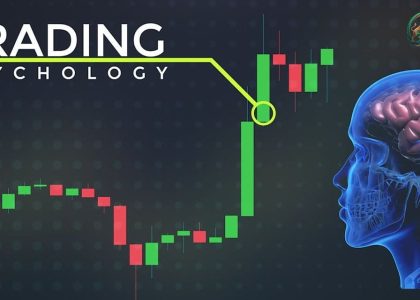

Psychology in stock trading drives every decision on Wall Street and beyond in the USA. Traders from New York to Chicago battle their own minds as much as market trends to stay ahead.
Mind Over Markets
Psychology in stock trading shapes how you react to the ups and downs of the stock market. In busy hubs like New York, where Wall Street sets the pace, stock traders face constant market volatility that tests their nerves.Trading psychology covers the emotional biases and cognitive biases that lead to terrible selections, like maintaining onto losing stocks too long due to loss aversion. A strong buying and selling plan helps counter this through laying out clear guidelines for entries, exits, and chance management before feelings kick in.Without mastering this, even the best trading strategy fails when market sentiment shifts fast.
Investor psychology plays out daily, as herd behavior pulls crowds into hot stocks during price bubbles. Behavioral finance explains why people chase trends on apps from California desks, ignoring personal psychological barriers. Confirmation bias tricks traders into seeing only data that fits their view, like bullish candlestick charting on overbought tech shares. USA markets reward those who spot these traps early, cutting losses quick instead of hoping for reversals.
Emotional Traps Unraveled
Emotional drivers fuel most trading mistakes in USA stock exchanges. Loss aversion makes losing money sting twice as bad as gains feel good, so traders freeze during market fluctuations. On platforms buzzing in Texas trading rooms, the emotional gap widens between planned trades and real actions under pressure. Gambler’s fallacy whispers that a stock due for a win after losses, pushing risky bets on futures at the CME Group in Chicago. Psychology behind trading reveals how these mental accounting habits treat each trade separate from the big picture.
Herd behaviour amplifies this, as bandwagon effect draws day traders into market anomalies like liquidity holes after earnings reports. Wall Street veterans stress trading logic over gut feels, using performance analytics from trading apps to review state of mind per session. Pre-market routine in Miami sets a calm tone, scanning financial reports for macro-economic indicators without external pressures swaying judgment.
Building Mental Strength
A strong trading system starts with goal setting strategies tied to long-term goals. Stock traders in Boston outline their game plan, risking only a small slice of trading capital per trade for volatility control. Journaling techniques shine here, noting emotional state beside each trade to uncover patterns like overtrading after wins. Gratitude practices ground you, reminding traders in Los Angeles of past wins amid drawdowns. This builds psychological discipline, turning trading behavior into a steady edge over time.
Risk control via stop losses and take profit levels automates discipline when fear hits. Personality trends count number, as affected person sorts excel in fashion following while thrill-seekers chase day trading volatility. Trading courses from experts like Dale Gillham educate those tools, mixing charge movement with mindset shifts for steady results.
Market Mood Insights
Market psychology sways stock prices more than charts alone in USA financial scenes. Collective psyche builds market mood, fueling rallies or crashes as investors react to news. In New York, stock market psychology shows in wild swings around Fed announcements, where market shifts catch the unprepared. Behavioral biases like confirmation bias blind folks to bearish signals, while mesoscale psychological dynamics play out in sector rotations. Savvy traders read this via market sentiment tools, fading extremes for high-probability reversals.
Price bubbles form from irrational exuberance, popping when reality hits via poor financial reports. High-frequency trading and algorithmic trading exploit these moments, but human traders win with risk control. Forex markets offer lessons too, as similar herd behaviour crosses over to stock trader playbooks nationwide.
Daily Discipline Routine
Start your day with a clear head in USA trading hubs. Review overnight futures from CME Group, align with your trading strategy, and size positions based on account rules. Enter trades on technical setups like support breaks, never chasing market trends blindly. Monitor without constant peeking, letting stops handle the work. Evening wind-down includes journaling techniques to log wins, losses, and emotional drivers for tomorrow’s tweaks.
Gratitude journaling caps the day, focusing on process over P&L to dodge bad decisions. This routine crushes personal psychological barriers, building resilience against market control illusions. Over months, it compounds into real edge.
Behavioral Bias Busters
Cognitive biases derail even pros on Wall Street. Confirmation bias leads to ignoring red flags on darling stocks, while mental accounting silos wins from losses. Behavioral finance arms you against these, stressing cut losses short and let profits run. USA traders use trading platforms for backtests, proving strategies beat emotional biases long-term. Psychology today articles reinforce this, highlighting how state of mind dictates outcomes.
Overcome the bandwagon effect by sticking to your trading plan amid hype. Investment psychology evolves with practice, turning emotional gap into strength via consistent small bets.
Advanced Mind Tools
Performance analytics from modern trading apps track win rates tied to mood. Futures trader Tom Basso preached pyramid adds on winners only, scaling via proven edge. Volatility control via position sizing keeps drawdowns tame, even in wild market anomalies. Trading psychology pdf resources from Wealth Within dive deep, but action trumps reading. Integrate candlestick charting with bias checks for cleaner setups.
Algo systems handle high-frequency trading, freeing humans for big-picture plays. Arbitrage opportunities reward calm minds spotting mispricings others panic-sell.
Wall Street Wisdom
Wall Street legends mastered stock trader psychology through decades of booms and busts. They treat trading like business, not casino, with strict risk management. Market reversals teach humility, as overconfidence breeds blowups. USA exchanges like NYSE demand this edge, where market fluctuations humble the reckless. Focus on trading decisions rooted in data, not market mood swings.
Global ties pull in forex trading parallels, but stocks reward patience amid volatility.
Long-Term Wealth Path
Psychology in stock trading forges lasting success across USA cities. Align shopping for and selling method with life desires, diversifying beyond shares for balance. Cut losses ruthlessly, scale winners patiently. Journaling strategies and goal setting techniques keep you sharp, even as gratitude fuels patience.Over years, this mindset turns trading capital into freedom.
Master your mind in New York’s roar or quiet Midwest desks, and markets bend to you. Consistent trading behavior outlasts flashes of genius.